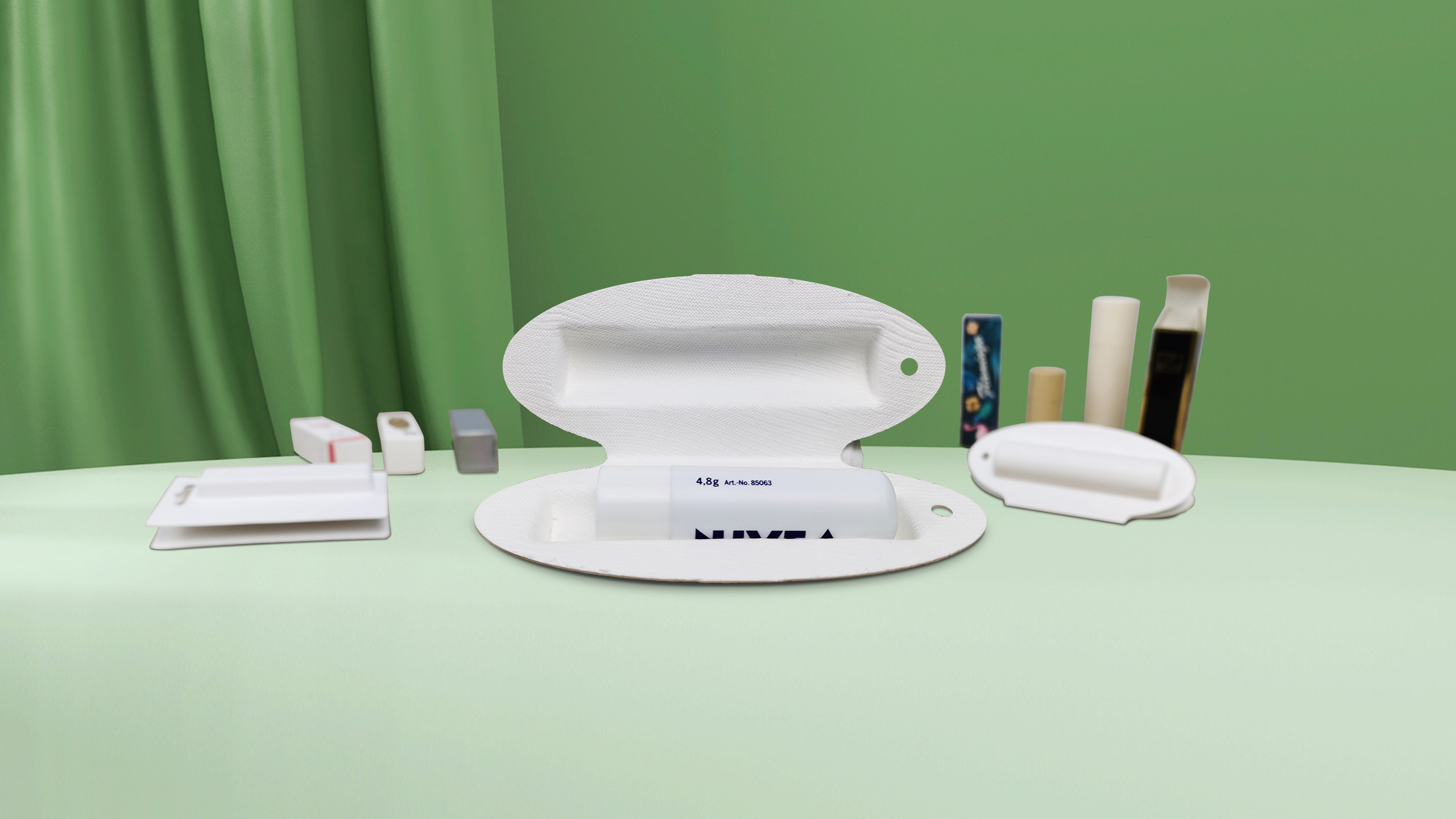
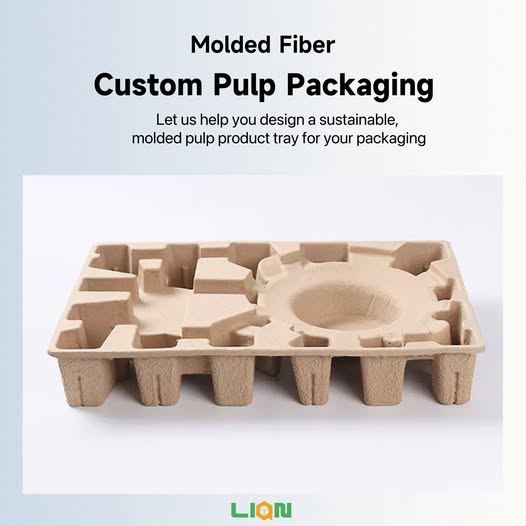
Pulp packaging refers to packaging material made from various types of pulp, including wood pulp, bamboo pulp, and bagasse pulp. These materials are biodegradable, renewable, and recyclable, making them a popular choice among environmentally conscious businesses.
Pulp packaging offers a myriad of benefits that make it an attractive choice for businesses looking to reduce their environmental impact. One of the key advantages of pulp packaging is its biodegradability. Unlike traditional plastic packaging, which can take hundreds of years to decompose, pulp packaging breaks down naturally in the environment, making it a more sustainable option. Additionally, pulp packaging is made from renewable resources, such as wood and agricultural waste, reducing reliance on finite fossil fuels.
Moreover, pulp packaging is highly versatile and can be molded into various shapes and sizes to suit different packaging needs. Whether businesses require protective packaging for fragile items or attractive packaging for retail products, pulp packaging can be customized to meet these requirements. This versatility extends to printing and branding options, as pulp packaging can easily be printed with logos, product information, and other designs to enhance brand visibility.
While pulp packaging offers numerous benefits, it also presents some challenges that businesses must consider when adopting this packaging solution. One of the primary challenges of pulp packaging is its cost. Compared to traditional plastic packaging, pulp packaging can be more expensive to produce, particularly for custom designs and intricate shapes. Businesses may need to invest in new equipment and processes to manufacture pulp packaging efficiently, which can add to the upfront costs.
Another challenge of pulp packaging is its durability and moisture resistance. While pulp packaging is suitable for a wide range of products, it may not be as durable or moisture-resistant as plastic packaging in certain applications. Businesses that require packaging with high barrier properties or extended shelf life may need to explore additional coating or treatment options to enhance the performance of pulp packaging.
To overcome the challenges associated with pulp packaging and ensure cost-effective and efficient production, businesses can implement several strategies. One approach is to optimize the design and manufacturing process to minimize material waste and streamline production. By using advanced molding techniques and automation, businesses can increase production efficiency and reduce material costs. Additionally, investing in energy-efficient equipment and utilizing renewable energy sources can further enhance the sustainability of pulp packaging production.
Furthermore, businesses can explore innovative materials and additives to enhance the performance of pulp packaging. For example, incorporating bio-based additives or coatings can improve the moisture resistance and durability of pulp packaging, making it suitable for a wider range of applications. By continuously researching and testing new materials and technologies, businesses can stay at the forefront of pulp packaging innovation and offer competitive solutions to their customers.
Sustainability is a key driving factor behind the adoption of pulp packaging, and businesses must prioritize environmental considerations throughout the packaging lifecycle. One essential aspect of sustainability in pulp packaging is responsible sourcing of raw materials. Businesses should ensure that the pulp used in packaging production comes from certified sustainable sources, such as FSC or PEFC-certified forests, to prevent deforestation and promote biodiversity conservation.
Additionally, businesses can implement recycling and waste management programs to ensure that pulp packaging at the end of its lifecycle is properly handled and recycled. By working with recycling facilities and promoting consumer awareness of recycling options, businesses can close the loop on pulp packaging and reduce waste sent to landfills. Furthermore, exploring circular economy models, such as reusing and refurbishing pulp packaging, can extend the lifespan of packaging materials and minimiz