



Sustainable Molded Pulp: The Future of Pulp Packaging
Retailers and brand owners continue to search for packaging that guards products, pleases buyers, and respects the planet. Molded pulp meets these goals through smart use of recycled fiber, streamlined forming methods, and easy curbside recycling.
This article explains how molded pulp moves beyond simple drink trays and becomes a full-scale solution for pulp packaging, gift boxes, and many other uses.
What Is Molded Pulp?
Factories form molded pulp by mixing recovered paper or agricultural fiber with water, pressing the slurry into tools, then drying each nest, tray, or shell until it hardens. The result is a rigid structure that can cradle a phone, cushion a glass bottle, or wrap a gift packaging box without synthetic foam.
Environmental Edge
Low Raw Material Footprint
Most molded pulp suppliers run on post-consumer newsprint or cardboard. Each ton of recycled fiber saves wood, water, and energy compared with new bleached board.
Simple End-of-Life
Used parts go into the same bin as newspapers. They break back into fiber during pulping, so loops stay tight. Composters also accept uncoated pulp because it sheds natural cellulose.
Reduced Carbon Across the Chain
Light weight cuts freight fuel. Nesting design trims space in trucks and warehouses. These gains, added to renewable input, give molded pulp a lower cradle-to-gate footprint than plastic foam or virgin folding carton.
Production Process: From Slurry to Shape
1. Stock prep — Operators clean and blend recovered fiber.
2. Forming — Vacuum pulls slurry onto a screen tool that matches the future part.
3. Pressing — Heated molds press both faces, remove water, and refine edges.
4. Drying — Infrared or hot-air tunnels bring moisture down to stable levels.
5. Finishing — Robots trim, score, or print. Hot lamination can add thin film if a barrier is required.
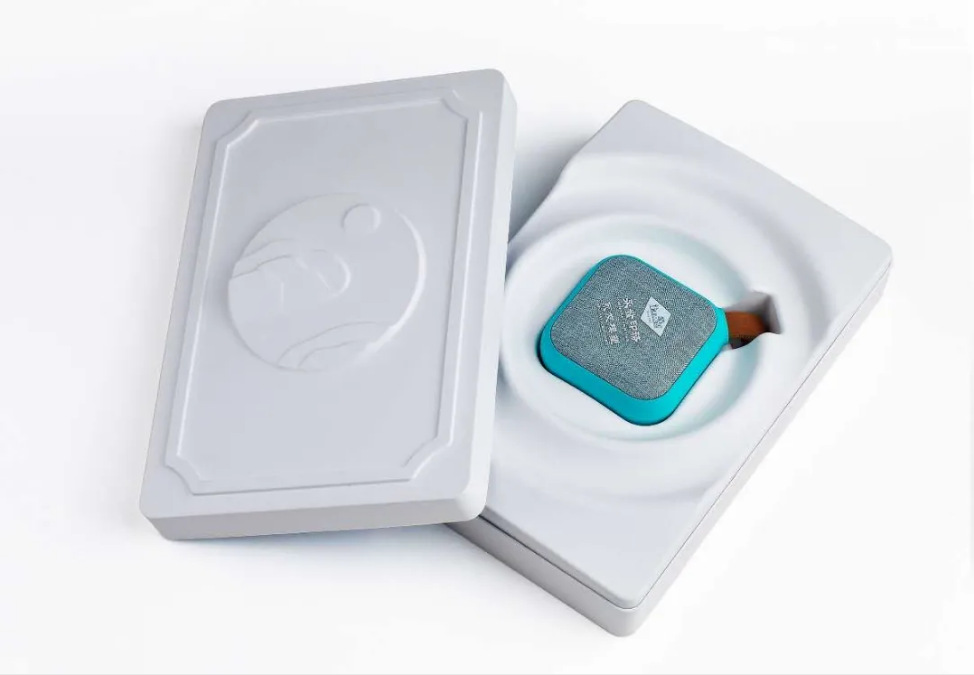
Advanced lines now deliver custom molded pulp packaging with tight tolerances, fine debossed logos, and colorants chosen to match brand palettes.
Design Flexibility and Performance
Engineers tune wall thickness, rib layout, and corner geometry. This flexibility creates:
● Molded pulp corner protectors that absorb drops in e-commerce.
● Hinged clamshells for sustainable gift boxes that close with friction, not magnets.
● Multi-level inserts that separate accessories inside gift box eco friendly sets.
Properly designed parts pass crush, vibration, and humidity cycles equal to those run on foamed polyethylene or thermoformed PET trays.
Market Applications
Consumer Electronics
Phones, speakers, and laptops ship in fiber nests that hold shape yet allow fast unboxing. Brands gain impact with a tactile, matte finish.
Food and Beverage
Eco-friendly paper molded packaging lines can form burger clams or cup carriers without PFAS. Barrier spray or film can stand up to sauce or freezer burn when needed.
Gift Boxes and Retail Display
Rigid gift packaging box bases often pair with matching pulp inserts that display skincare jars or jewelry. Small runs allow niche makers to order from local molded pulp distributors instead of importing plastic vac-forms.
Industrial and Furniture
Large shells support compressors, pumps, or flat-pack furniture kits. Inserts lock panels in place during long sea voyages.
Comparing Molded Pulp to Other Materials
|
Attribute |
Molded Pulp |
Expanded Polystyrene |
Thermoformed Plastic |
Corrugated Pads |
|
Made from |
Recycled fiber |
Fossil feedstock |
Fossil feedstock |
Virgin or recycled fiber |
|
End-of-life |
Recyclable curbside, compostable |
Rare recycling |
Limited streams |
Recyclable |
|
Cushion vs. drop |
High with design ribs |
Very high |
Moderate |
Low |
|
Cost at volume |
Competitive |
Low |
Moderate |
Low |
The table shows that molded pulp holds a clear environmental lead while matching technical needs for many goods.
Innovation and Trends
● Water-based coatings replace plastic film to block grease.
● Inline digital print lets brands mark each piece without labels.
● Molded pulp packaging manufacturers scale hybrid forming that mixes bamboo, bagasse, and wheat straw for regional fiber security.
● Start-ups supply plantable inserts seeded with herbs, turning the pack into a gift in itself.
Role of Suppliers and Distribution
Manufacturers
Large mills in North America and Asia invest in high-speed thermoforming rigs. They accept design files, cut aluminum tools, and ship sample packs within weeks.
Distributors
A regional molded pulp distributor stocks common cup carriers, wine shippers, and molded pulp corner protectors. This route lets small brands avoid high minimum order volumes.
Supplier Networks
Collaboration between molded pulp suppliers and converting plants creates mixed packs: rigid pulp trays slide into a printed folding carton or gift box eco friendly sleeve.
Challenges and Solutions
● Design learning curve: Engineers used to foam must switch mindset. Suppliers share CAD libraries and drop-test data to shorten trials.
● Moisture sensitivity: Food packs need barriers. Water-borne coatings and thin bio-PE films solve this while keeping recyclability.
● Color limits: Natural fiber shows specks. Brands now embrace earthy tones or add mineral pigment for soft pastel shades.
Frequently Asked Questions
1. What makes molded pulp sustainable?
Molded pulp starts with recycled fiber, forms at low heat, ships nested, and drops into existing paper recycling. These steps cut energy, carbon, and landfill impact compared with foam or hard plastic. Composters also welcome uncoated pulp parts.
2. Can molded pulp protect fragile electronics?
Yes. Designers add ribs, locks, and thick corners that absorb shock. Drop tests show performance on par with expanded polystyrene when engineers match density and wall section. Many global electronics brands already rely on molded pulp cradles.
3. How does it compare on cost?
Tooling costs less than plastic thermoforming. Unit price falls at medium runs because material is cheap and machines form many cavities at once. Freight savings from nested parts also shrink total landed cost.
4. Is food contact safe?
Food-grade fiber, clean water, and FDA-compliant additives create safe trays and clamshells. Barrier sprays or films block oil and moisture where required. Users should confirm that local regulators approve the specific coating.
5. Will color bleed onto products?
Standard natural pulp holds no dye, so it cannot stain goods. If a brand adds pigment, water-based systems fix it within fibers before drying. Proper curing keeps color stable in humidity and heat.
Conclusion
Molded pulp moves from simple egg tray to advanced custom molded pulp packaging solution. It satisfies strict sustainability goals, guards products across global supply chains, and appeals to customers who value lower waste. As equipment evolves and networks of molded pulp packaging manufacturers grow, the material will shape the next generation of sustainable gift boxes and protectors.

As a One-Stop pulp packaging supplier, we are committed to delivering innovative, sustainable, and reliable packaging solutions that drive your business forward. Partner with us to transform your packaging needs into a competitive advantage.


