



How Is Molded Pulp Packaging Different From Traditional Packaging?
Introduction
Brands place rising value on responsible material choices, yet they still demand robust protection for their goods. Lianpack hears that call every day. The firm supplies molded pulp products for gift boxes, cosmetics, consumer electronics, and more. Many buyers once relied on conventional corrugated, plastic, or foam formats.
They now compare those familiar solutions to molded pulp packaging and see major contrasts. This article explains those contrasts in plain, professional language so procurement, design, and sustainability teams can decide with confidence.
What Is Molded Pulp Packaging?
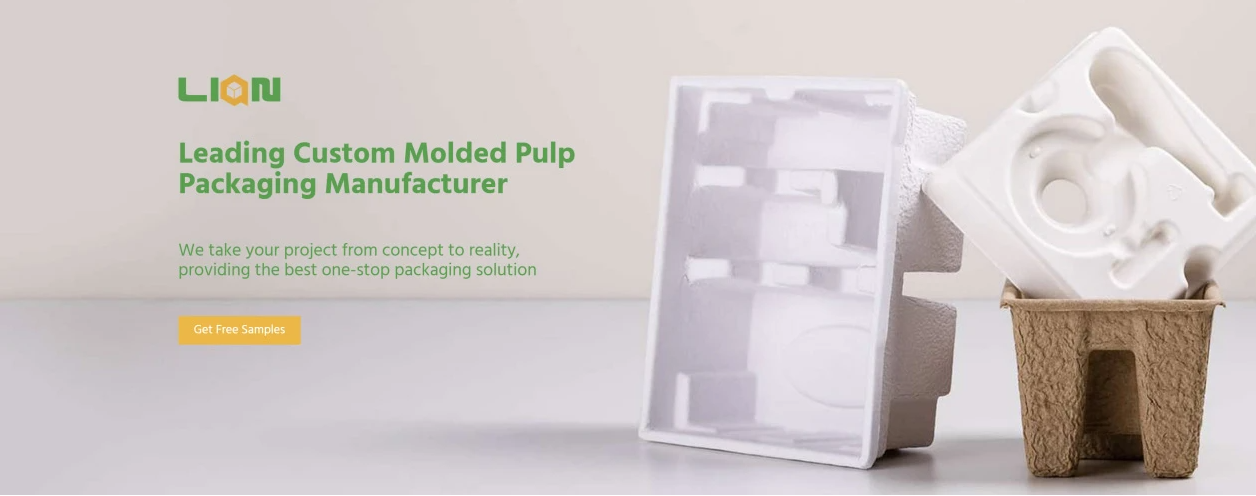
Molded pulp packaging starts with recovered paper or agricultural fiber. Lianpack blends the clean fibers with water to form a smooth slurry. Precision molds shape that slurry into trays, molded pulp corner protectors, clamshells, or custom cavity inserts. Warm air and controlled pressure then remove moisture. The finished part feels rigid, yet it remains lightweight. Engineers can vary wall thickness, rib patterns, and surface finish.
As a result, molded pulp packaging manufacturers support a wide range of product categories, from sustainable gift boxes to protective two-piece trays for medical devices. Most designs nest for transport, which reduces shipping cost and storage space. When the package reaches the end user, it enters the curbside recycling stream or a backyard compost bin with little effort.
What Is Traditional Packaging?
Traditional packaging covers many legacy formats. Corrugated cartons arrive from virgin or mixed papers and rely on starch or polymer adhesives. Expanded-polystyrene foam requires petroleum feedstock and high-heat steam expansion.
Plastic clamshells use thermoforming to adapt heated sheets of PET or PVC. Each option still dominates global supply chains because tooling is familiar and installed capacity is large. Yet their material origins, manufacturing energy loads, and disposal paths differ sharply from molded pulp.
Key Differences Between Molded Pulp and Traditional Packaging
1. Raw Materials and Sourcing
Lianpack sources post-consumer paper, office waste, or fast-growing plant fibers. Harvesters replace that biomass within months. Conventional foam and many rigid plastics rely on fossil fuel extraction that spans decades. Even corrugated mills often cut softwood forests that need years to recover.
2. Manufacturing Energy and Water Use
Modern pulp lines recover nearly all process water. Closed-loop systems return heat from dryers to warm incoming air. These steps drop energy demand far below steam-expanded polystyrene or petroleum-based thermoforming lines. Corrugated production uses recycled water too, yet its multi-layer fluting still draws larger total energy per square foot.
3. Strength and Protection
Molded pulp trays survive compression loads that match many foams of similar density. Designers place ribs only where product geometry demands support, which keeps weight low. Molded pulp corner protectors absorb impact during drops. Corrugated sleeves offer broad stacking strength, but they need extra inserts or void fill to secure delicate items. Expanded-polystyrene cushions excel at shock absorption, though they crack under repeated impact and crumble into loose beads that customers dislike.
4. Design Range and Customization
Computer-aided molds allow Lianpack to create custom molded pulp packaging with fine detail, including embossed logos or QR codes. Draft angles as small as 1.5° permit close-fitting cavities that stop rattling. Corrugated engineers can score complex folds, yet interior shapes remain angular. Thermoformed plastic captures sharp undercuts but demands costly aluminum tools and wide production runs to justify expense.
5. Aesthetics for Gift Boxes
Presentation matters when shoppers unbox electronics or premium personal-care goods. Molded pulp now offers smooth outer faces and uniform color that pairs well with a gift packaging box sleeve. Natural tones project authenticity, while water-based dyes can match brand palettes without chemical odor. Plastic often appears glossy and sterile. Corrugated inserts look industrial once the high-quality print stays outside.
6. Weight and Space Savings
A single nested pallet of pulp trays may carry five times more units than an equal pallet of foam parts. Plants, warehouses, and retailers gain valuable floor area. Lower outbound weight also trims freight emissions, an important metric in corporate carbon reports.
7. Cost and Supply Chain Stability
Pulp feedstock prices fluctuate less than foam resins that track oil markets. Lianpack maintains regional mills in North America and Asia, so brands can diversify risk. High-speed rotary molding lines cut cycle times and spread tooling amortization across multiple cavities. While first-article cost once limited pulp to high-volume applications, improved additive manufacturing now prints pilot molds quickly and at modest cost.
8. End-of-Life Outcomes
A customer drops empty pulp inserts into paper recycling, organic waste, or home compost. Facilities recognize the fiber and process it without special sorting. In contrast, mixed-material blister packs often enter landfill because they bond plastic and paperboard. Expanded foam rarely meets curbside recycling rules, so waste haulers incinerate or bury it.
Business Benefits of Molded Pulp Packaging
● Brand Perception. Consumers link eco-friendly paper molded packaging with responsible corporate conduct. Surveys show higher repeat purchase intent when a brand swaps plastic for pulp.
● Regulatory Alignment. Many states impose fees on hard-to-recycle materials. Switching to pulp avoids those charges and supports Extended Producer Responsibility goals.
● Logistics Efficiency. Nestable trays shrink inbound cube, and lighter units reduce parcel surcharges. The savings offset tooling expense within a year for most product lines.
● Quality Consistency. Strict fiber blending and computer-controlled drying give molded parts tight dimensional tolerance. That consistency speeds assembly and lowers line rejects.
Selecting a Molded Pulp Supplier
Procurement teams should compare:
● Fiber Source. Ask how much post-consumer content the mill guarantees.
● Tooling Lead-Time. Additive tooling enables quick market tests.
● Certifications. Look for ISO 14001, compostability, and food-contact approvals.
● Regional Footprint. Multi-plant networks buffer demand spikes.
● Service Scope. In-house design, color matching, and fulfillment lower total landed cost.
Lianpack meets each of these criteria and stands ready to scale programs from sample run to millions of units. The company also maintains close ties with upstream molded pulp suppliers to safeguard fiber availability during peak seasons.
Frequently Asked Questions
Why does molded pulp suit gift boxes?
Molded pulp delivers clean edges, gentle surfaces, and natural color that pairs with premium sleeves or wraps. It protects delicate items while signaling sustainability. Customers notice the responsible choice and often keep the box for storage, which extends brand exposure.
Can molded pulp match foam in drop tests?
Proper wall thickness and strategic ribbing let molded pulp absorb shock loads that rival expanded foam of similar density. Lianpack validates each design through ASTM drop sequences and fine-tunes geometry until results meet or exceed the target threshold.
Is pulp packaging always compostable?
Pure fiber parts that use water-based additives break down in industrial compost within weeks and, in many climates, in backyard bins within a few months. Designers must avoid plastic coatings or metallic inks if compostability is a primary goal.
How do custom molded pulp projects start?
Teams share product CAD, performance goals, and aesthetic direction. Lianpack creates a digital prototype, 3-D prints a test mold, and then runs pilot samples. Partners review fit, finish, and line performance before committing to steel production tools.
What is the cost difference versus traditional corrugated inserts?
Unit price depends on size, volume, and fiber mix, yet many programs see near-parity by the second production year. Lower shipping weight and elimination of secondary wraps often tip the total cost of ownership in favor of molded pulp.
Conclusion
Molded pulp packaging stands apart from legacy formats through renewable inputs, lower energy use, design versatility, and simple disposal. Lianpack guides brands through each step, from concept sketches to full-scale distribution, ensuring that gift box eco friendly goals align with supply-chain realities. As consumer demand for responsible products strengthens, molded pulp provides a practical path that protects items and the planet.

As a One-Stop pulp packaging supplier, we are committed to delivering innovative, sustainable, and reliable packaging solutions that drive your business forward. Partner with us to transform your packaging needs into a competitive advantage.


