



Fiber Molded Gift Boxes Offer Thoughtful Holiday Options
Holiday gift shopping usually starts with enthusiasm, yet many shoppers finish the season with growing concern about waste. Every ribbon, plastic insert, and glossy sleeve enters the trash the moment the gift is opened. Brands that care about both presentation and the planet now choose fiber molded gift boxes.
These boxes combine sturdy design, attractive surfaces, and real environmental benefits. Lianpack supplies these boxes to retailers that ask for a cleaner approach to seasonal gift packaging.
What Are Fiber Molded Gift Boxes?
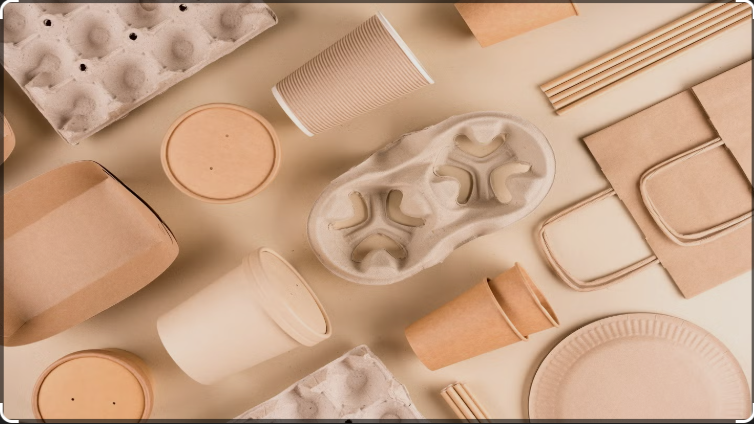
Fiber molded gift boxes start as water-based pulp. Manufacturers blend recycled paper fibers with clean water, press the mixture into three-dimensional molds, and dry the forms until rigid. The result feels as solid as cardboard, yet it carries the smooth curves and pockets normally seen only in plastics. Because the material remains all-paper, recycling stations accept it without the extra sorting that mixed-material boxes require.
Why Molded Pulp Equals Sustainable Gift Boxes
Renewable Content
Paper fibers come from responsibly managed forests and post-consumer sources. Each fiber molded unit represents a new use for paper that already circulated through homes and offices.
Low-Energy Production
Manufacturers dry molded pulp at lower temperatures than those needed to shape plastic. They also skip solvent-based inks. Lower heat and fewer chemicals keep the carbon footprint small while protecting workers from harsh fumes.
Easy End-of-Life Handling
Consumers can place a gift box eco friendly made of molded pulp directly in home recycling bins or compost piles. The material breaks down within weeks in industrial compost facilities. Because disposal stays simple, the box is less likely to become litter.
Support for Circular Supply Chains
Molded pulp suppliers collect trimming waste, re-pulp it, and feed it back into the same line. Each loop saves trees, water, and energy compared with first-use fibers. Retailers that publish sustainability reports often highlight this closed-loop feature.
Practical Advantages During the Holiday Rush
Strength Under Pressure
Couriers stack parcels high from November through December. Fiber molded gift boxes handle top-down weight thanks to curved cell walls that spread force. Lianpack tests every design with drop, crush, and vibration equipment before release.
Built-In Cushioning
Instead of ordering separate molded pulp corner protectors, brands can shape cradles, inserts, or bumpers into the box interior. Integrated cushions speed up packing lines because workers place items once rather than wrap them in bubble film.
Quick Assembly
Boxes ship nested to save freight space. Packers snap each unit open in seconds because hinges and locks form during molding. Less tape and fewer folds reduce repetitive-strain injuries for seasonal staff.
Brand-Ready Surfaces
Water-based coatings accept printing that matches holiday color palettes. Companies add festive icons or limited series artwork without covering the surface in plastic lamination, keeping the package recyclable.
Design Versatility: How Brands Create a Memorable Unboxing
Gift givers cherish the moment when a loved one lifts the lid. Sustainable gift boxes support many creative touches:
● Textured Lids: Raised snowflakes or company logos appear directly in the pulp.
● Custom Windows: Die-cut openings reveal teasers of chocolate, candles, or tech devices. Clear plant-based films can seal the windows while staying fully compostable.
● Accessory Trays: A second layer, also molded pulp, can hold cords, greeting cards, or an instruction booklet.
● Color Contrast: Natural kraft outside and bright interior walls create instant visual interest without extra components.
Because molds shape both structure and decoration, costs stay reasonable even for mid-sized runs. Molded pulp packaging manufacturers like Lianpack keep tooling libraries ready for fast adjustments.
Lianpack Approach to Custom Molded Pulp Packaging
Our engineers talk with clients about product weight, retail goals, and shelf life. After defining the load map, they select fiber blends and moisture barriers. If a customer sells skin-care jars, we add a thin water-resistant coating inside each pocket while keeping the outside printable. When electronics brands need precise fit, we tighten tolerances to half a millimeter. As a molded pulp distributor and converter, we manage every stage: design, sample, mass production, and logistics. That single-source model removes delays when holiday deadlines draw near.
Comparing Fiber Molded Boxes With Common Alternatives
Aspect | Fiber Molded Gift Boxes | Rigid Chipboard Boxes | Plastic Clamshells |
Primary material | Recycled paper pulp | Virgin paperboard plus adhesive | PET or PVC |
End-of-life | Curbside recycle or compost | Recycle after liner removal | Limited recycle capacity |
Cushioning | Built-in pockets | Requires foam or paper fill | None |
Mold cost | Moderate, one-time | Low but no 3-D cavities | High for large parts |
Shelf appeal | Smooth forms, custom textures | Sharp corners, flat panels | Glossy, utilitarian |
Molded pulp products bridge the gap between protective form and premium look. They deliver a greener story than plastic and a safer shipping profile than flat paperboard.
Supply Chain and Cost Considerations
Freight Savings
Because nested pulp trays fit together like bowls, one pallet carries thousands of units. Shipping the same count of rigid chipboard boxes might need triple the space.
Factory Lead Times
Custom molded pulp packaging usually runs four to six weeks after sample approval. Shorter cycles are possible when a client selects an existing mold. Lianpack maintains regional plants to cut ocean freight lead times for North American buyers.
Price Stability
Paper markets show smaller price swings compared with petroleum-based resins. Therefore budgeting for molded pulp packaging stays more predictable through volatile seasons.
Certifications
Retailers often ask suppliers to confirm recycled content and compostability. Molded pulp suppliers provide third-party certificates from agencies such as the Forest Stewardship Council and the Biodegradable Products Institute, helping brands satisfy retail procurement checklists.
Tips for Choosing the Right Gift Box Eco Friendly Solution
1. Match Box Strength to Product Weight. Heavier gifts need thicker walls or interior ribs.
2. Confirm Print Goals Early. Color depth, foil accents, or embossing define which fiber blends work best.
3. Request Drop Tests. Ask your packaging partner to share lab data, not only marketing claims.
4. Review Assembly Steps. A hinge-lid design saves time over a separate lid and base.
5. Plan Disposal Messaging. Include a short recycle or compost icon on the bottom panel so consumers act correctly.
Frequently Asked Questions
1. How do fiber molded gift boxes compare in cost to traditional boxes?
Average landed cost falls between rigid chipboard and injection-molded plastic. Savings appear through reduced filler, smaller shipping cubes, and lower damage rates. Over the entire season, brands often see equal or lower spend while gaining a visible sustainability upgrade.
2. Can these boxes hold fragile items such as glass ornaments?
Yes, engineers can add molded pulp corner protectors and interior braces during forming. The curved geometry spreads force, while extra ribs prevent point pressure on delicate surfaces. Brands should share exact product drawings so designers apply the right support in key areas.
3. Do fiber molded boxes work for food gifts?
They do. A food-safe water barrier or plant-based film can line the cavities. Chocolate, cookies, or tea tins stay fresh and avoid grease marks. After use, consumers remove any thin liners and recycle or compost the pulp shell without special handling.
4. How many colors can I print on molded pulp packaging?
Most suppliers, including Lianpack, apply up to six spot colors using water-based inks. Designers choose bold graphics rather than photo-real images because textured surfaces scatter fine detail. A well-planned palette delivers strong shelf impact while keeping costs steady.
5. What minimum order quantity should I expect for custom molds?
Order volumes usually start at ten thousand units, which balances mold investment and unit price. However, Lianpack offers pilot runs as low as five thousand for new product launches. Tooling amortizes over multiple seasons, so repeat orders drop in unit cost.
Final Thoughts
Fiber molded gift boxes give retailers a way to present gifts with style while shrinking environmental impact. They join sturdy form with elegant surfaces and keep disposal easy for the recipient. When brands choose molded pulp packaging, they add value beyond the product inside each box. Lianpackstands ready to guide clients through design, testing, and on-time holiday delivery.

As a One-Stop pulp packaging supplier, we are committed to delivering innovative, sustainable, and reliable packaging solutions that drive your business forward. Partner with us to transform your packaging needs into a competitive advantage.


