



Eco-Friendly Molded Pulp Gift Boxes And Custom Retail Packaging Solutions
Retailers stand under two linked pressures. They must protect products while proving strong environmental commitment. Traditional plastic packaging no longer satisfies shoppers who study labels and measure impact. Molded pulp packaging rises as a balanced answer.
It shields items, reduces waste, and signals responsible practice. Lianpack leads this change with designs that merge strength, intelligent material use, and clear brand presentation.
What Is Molded Pulp?
Molded pulp comes from recycled paper fibers mixed with water to form a thick slurry. Engineers press that slurry into heated molds, extract moisture, and leave a rigid shape. The process relies on simple inputs, yet it delivers tight tolerances for retail items. By choosing molded pulp, brands switch from single-use plastic trays to renewable, compostable shells. Lianpack refines every step to cut scrap and keep consistency across large orders.
Key Advantages For Retailers
Cost Efficiency Without Compromise
Molded pulp uses post-consumer paper feedstock that usually costs less than virgin resin. Tooling demands lower heat and simpler machinery, so energy bills fall. Lianpack prices gift packaging boxes competitively and still meets strict quality checks. Retailers gain a package that travels well, stacks efficiently, and trims freight volume.
Sustainability That Meets Consumer Expectations
Fiber-based packaging degrades in a matter of months under industrial composting, unlike plastic that lingers for decades. Brands that ship sustainable gift boxes draw repeat customers who track corporate climate goals. Eco-friendly paper molded packaging also cuts landfill fees and supports state recycling targets.
Flexibility In Design And Branding
Lianpack shapes custom molded pulp packaging around many products, from smartphones to gourmet chocolates. Raised logos, color washes, and smooth debossed panels help elevate shelf presence. Designers introduce molded pulp corner protectors or fitments that cushion fragile glass without extra foam. Each cavity fits the item’s outline, so fewer fillers go into cartons.
Design Principles For Effective Molded Pulp Packaging
Understanding Product Requirements
Engineers first study weight, dimensions, and shock limits. They confirm drop-test data, then assign wall thickness and support ribs. Lianpack shares early prototypes that clients can handle, which speeds approval cycles.
Structural Integrity And Protection
Well-placed arches and flanges spread load forces. Molded pulp suppliers rely on finite element tools to predict crush points. When shipping heavy kitchenware, designers raise outer edges and add cross bracing. These simple forms resist pressure without adding loose inserts.
Aesthetic Appeal And Brand Storytelling
Retailers want packaging that opens with ease and feels premium. Smooth lines, tactile fiber, and engraved icons provide that effect. A gift box eco friendly finish pairs with a satin ribbon or printed sleeve, creating an upscale unboxing while keeping material count low. Lianpack controls surface porosity to accept water-based inks and food-safe coatings.
Lianpack: Innovating With Molded Pulp
Custom Molded Pulp Packaging Projects
The company runs pilot lines that shift quickly from concept to mass output. Small runs confirm performance before global release. Clients trust Lianpack to balance shelf impact and unit cost.
Sustainable Gift Boxes That Stand Out
Luxury brands ask for gift boxes that feel exclusive yet align with environmental pledges. Lianpack produces rigid two-piece boxes that use molded pulp shells wrapped in recycled art paper. Magnetic closures hold tight, while hidden finger notches guide the consumer during opening.
Eco-Friendly Paper Molded Packaging For Fragile Goods
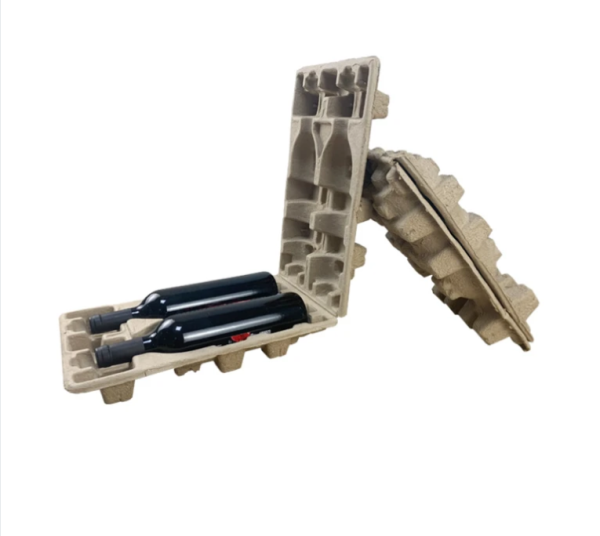
Fine wine labels once relied on polystyrene orthose; now they move to pulp packaging. Molded pulp corner protectors keep bottles centered, preventing label scuffs. The solution ships flat, expands on folding, and slides easily into retail cartons. Lianpack guarantees fit within standard 12-bottle cases.
Applications Across Retail Categories
Electronics And Consumer Goods
Tablets, smartwatches, and home speakers ship worldwide inside molded pulp trays. The material meets electrostatic requirements when treated with antistatic spray that Lianpack applies in-house. Retailers appreciate the drop in plastic taxes and the rise in positive reviews.
Food And Beverage
Pulp packaging maintains structural stability in dry, chilled, and frozen channels. Brands launch snack sample kits in cavity trays that double as serving platters. For drinks, pulp bottle shippers pass 4-foot corner-drop tests, protecting glass and branding alike.
Cosmetics And Personal Care
Gift packaging box programs adopt color-dyed pulp inserts that highlight fragrance vials and creams. The soft texture signals natural ingredients, supporting clean beauty claims. Gentle curves guide the user to remove one item at a time, reducing spills.
Choosing The Right Molded Pulp Partner
Evaluating Molded Pulp Suppliers
Check fiber sourcing, quality systems, and tooling flexibility. Leading molded pulp manufacturers like Lianpack verify recycled content through third-party audits and post certificates. Ask for compression and vibration data on relevant designs.
Working With A Molded Pulp Distributor
Distributors provide buffer stock, local support, and shorter lead times. Lianpack trains its distributor network to inspect shipments and manage regional inventory. Retailers avoid stock-out risk during seasonal peaks.
Future Proofing With Innovation
Research teams explore thinner walls that maintain strength through fiber blends and resin-free binders. Lianpack invests in pilots that cut water use and recover process heat. Brands that engage early shape these advances into exclusive market points.
Frequently Asked Questions
What Makes Molded Pulp Different From Standard Cardboard Inserts?
Molded pulp forms to the product, not the box, so it locks items in place and removes void fill. Cardboard inserts rely on folds that can shift in transit. Pulp absorbs shock more evenly and arrives ready to drop into outer cartons.
Can Molded Pulp Handle Moisture-Sensitive Goods?
Designers add food-grade barrier coatings that resist condensation and minor spills. These thin layers keep nutrients safe while allowing recycling in mixed-paper streams. Lianpack runs in-line coating stations that seal each piece without extra steps for the client.
How Does Lianpack Ensure Color Consistency On Pulp Surfaces?
The team controls fiber blend, slurry pH, and dye concentration at every batch. Continuous sampling ties shade variance to narrow bands within Delta-E 1.0. Quality staff reject any lot that drifts, ensuring shelves look uniform.
Are Molded Pulp Corner Protectors Strong Enough For Heavy Appliances?
Engineers thicken ribs, add compression pads, and reinforce vertical webs. Tests on 20-kilogram air fryers show no dent or shift after multiple drops. Retail buyers approve the design because it replaces foam corners without raising cost.
What End-Of-Life Options Do Consumers Have With Pulp Packaging?
Users place pulp packaging in curbside paper bins, home compost piles, or municipal compost programs. The material breaks down in six to twelve weeks, returning to soil as organic matter and closing the loop for responsible brands.
Conclusion
Retail success requires packaging that shields goods, signals social responsibility, and controls cost. Molded pulp packaging delivers on these goals with clear advantages for every stakeholder. Lianpack stands ready to guide brands through concept, testing, and launch, offering practical, future-focused solutions that match consumer values and business goals.

As a One-Stop pulp packaging supplier, we are committed to delivering innovative, sustainable, and reliable packaging solutions that drive your business forward. Partner with us to transform your packaging needs into a competitive advantage.


